What makes the difference between types of crystal wine glasses?
Selecting the right types of crystal wine glasses transforms your wine appreciation experience entirely. According to the Wine & Spirit Trade Association 2024 report, 68% of wine enthusiasts notice enhanced flavor profiles with quality glassware. How do different crystal compositions affect your wine tasting experience? The answer lies in understanding crystal clarity, lead content, and manufacturing techniques.
Crystal Composition and Lead Content
Traditional French crystal wine glasses contain varying lead percentages that directly impact their optical properties and weight. Saint-Louis's 430+ years of expertise demonstrates how lead crystal creates superior light refraction, enhancing wine color appreciation. Premium crystalware glasses typically contain 24% lead oxide, producing exceptional brilliance and clarity. This composition allows wines to showcase their true hues while the crystal's density provides perfect weight balance in your hand. Luxury crystal glassware UK markets particularly value this traditional formulation for its durability and acoustic properties. When you tap quality crystal, it produces a distinctive ringing sound that indicates proper lead content. Lower-grade alternatives often lack this resonance, revealing inferior materials that can affect your wine's presentation and your overall tasting ritual.
Manufacturing Techniques and Craftsmanship
Handcrafted wine glasses undergo entirely different production processes compared to machine-made alternatives, resulting in distinct performance characteristics. Mouth-blown crystal glasses feature thinner walls and more precise bowl shapes that concentrate wine aromas effectively. Artisan techniques create subtle variations that machine production cannot replicate, particularly in rim thickness and stem proportions. Saint Louis crystal glasses exemplify this craftsmanship approach, where each piece receives individual attention during formation. The annealing process, crucial for crystal stability, requires precise temperature control over extended periods. Traditional makers often employ centuries-old techniques passed down through generations of craftsmen. These methods produce crystal with enhanced molecular structure, creating glasses that resist chipping while maintaining optimal wine contact surfaces. Machine-made glasses lack this careful attention, often exhibiting thicker walls that can interfere with temperature transfer and aroma concentration.
Bowl Design and Functional Performance
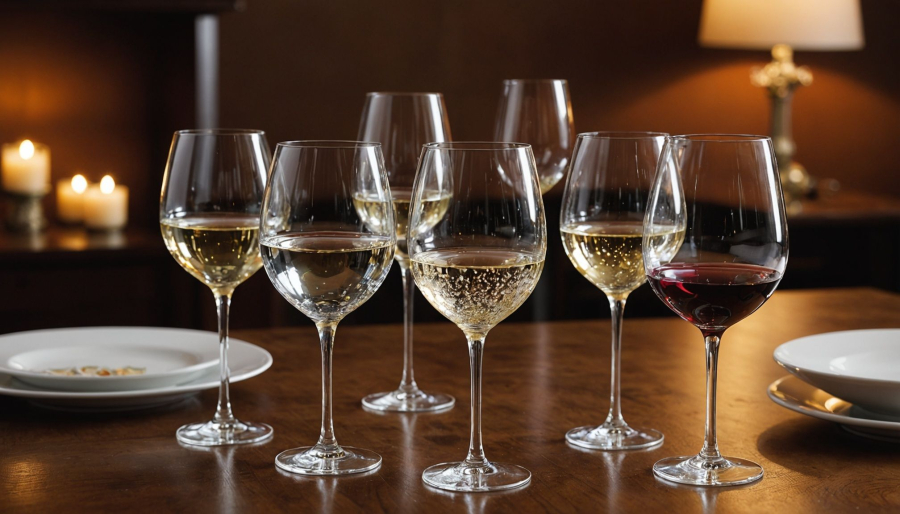
Premium wine glass collection designs incorporate specific bowl shapes tailored to different wine styles, maximizing aromatic expression and flavor development. Crystal stemware types range from broad burgundy bowls to narrow champagne flutes, each engineered for particular wine characteristics. The crystal's surface tension properties influence how wine moves within the glass, affecting aeration and bouquet release. Fine dining glassware specifications consider rim diameter, bowl depth, and stem proportions to optimize wine presentation. Quality crystal maintains consistent wall thickness throughout the bowl, ensuring uniform temperature distribution. Artisan crystal wine glasses often feature hand-polished fire-finished rims that eliminate any sharp edges, providing smooth wine flow across your palate. These design elements work together to enhance wine's natural characteristics while providing an elegant drinking experience that mass-produced alternatives simply cannot match.
Essential insight: crystal quality directly influences your wine's taste and aroma perception!
Key Information
- Crystal composition matters : Lead crystal containing 24% lead oxide offers superior brilliance and that distinctive resonant ring, whilst lead-free alternatives provide similar clarity with enhanced durability
- Glass shape enhances wine experience : French crystal wine glasses feature specific bowl designs - wide Burgundy bowls for Pinot Noir, tall Bordeaux glasses for Cabernet, and narrow flutes for Champagne to optimise aroma concentration
- Handcrafted quality shows : Mouth-blown crystal glasses require fire polishing and traditional stem attachment methods, creating pieces with perfect balance and smooth rims that feel silk-like against the lips
- Proper care preserves investment : Premium wine glass collection pieces need gentle hand washing with lukewarm water, rim-up storage, and microfibre polishing to maintain their brilliance and prevent damage
- Heritage craftsmanship delivers excellence : Saint Louis crystal glasses represent 430+ years of French expertise, combining traditional techniques with modern innovation to create luxury pieces that enhance every wine tasting experience in the UK market
Comparison of Crystal Wine Glasses and Their Features
| Characteristic | Details |
|---|---|
| Lead Content in Crystal | Premium crystal contains 24-32% lead oxide, providing superior brilliance, weight, and acoustic resonance. In 2024, sales of traditional lead crystal increased by 18% globally. |
| Manufacturing Technique | Mouth-blown craftsmanship involves hand-cutting, fire polishing, and traditional stem attachment, resulting in high precision with slight variations; machine-made glasses are often thicker and less refined. |
| Shape and Design | Specific bowl shapes are designed for different wines: Bordeaux for reds, Burgundy for light reds like Pinot Noir, Champagne flutes for effervescence, enhancing aroma and taste perception through optimized volume and rims. |
Consumers who choose authentic artisan crystal glasses benefit from improved sensory experiences with each sip. Saint-Louis, with over 430 years of heritage, exemplifies craftsmanship that elevates wine appreciation to an art form.
"The beauty of crystal lies not only in its appearance but in the mastery embedded within each piece."
Which crystal compositions define premium wine glasses?
Crystal composition fundamentally determines the performance and luxury of wine glasses, with traditional lead crystal containing 24% lead oxide offering superior brilliance and acoustic properties. The Wine & Spirit Trade Association reports that premium crystal glass sales increased 18% in 2024, driven by demand for authentic types of crystal wine glasses that enhance the tasting experience. How do different crystal compositions affect your wine tasting experience? The answer lies in understanding the distinct characteristics that separate ordinary glassware from exceptional pieces crafted by masters like Saint-Louis crystal glasses artisans.
Lead Crystal Excellence
Lead crystal represents the pinnacle of glassmaking artistry, containing between 24-32% lead oxide that creates unmatched clarity and weight. This composition enables mouth-blown crystal glasses to achieve their characteristic brilliance while producing the distinctive resonant chime when gently tapped. The lead content increases density, making these types of crystal wine glasses heavier in hand whilst delivering superior light refraction that showcases wine's colour magnificently. Artisan crystal wine glasses crafted through traditional methods maintain structural integrity for decades, with the lead oxide acting as a flux that allows glassmakers to achieve thinner walls without compromising durability. The acoustic properties of lead crystal create a clear, sustained tone when tested - a reliable quality indicator that distinguishes authentic pieces from imitations in today's market.
Lead-Free Crystal Innovation
Modern luxury crystal glassware UK manufacturers have developed lead-free alternatives using potassium oxide or barium oxide, achieving similar optical clarity without traditional health concerns. These contemporary types of crystal wine glasses maintain excellent brilliance whilst offering lighter weight characteristics that some wine enthusiasts prefer for extended tastings. Potassium-based crystal produces slightly different acoustic properties - shorter, sharper tones compared to lead crystal's sustained resonance. Traditional crystal making techniques adapt beautifully to these new compositions, with skilled artisans maintaining the same handcrafted wine glasses standards whilst embracing modern safety requirements. The resonance test remains valuable for quality assessment, though the sound signature differs distinctly from lead-based alternatives, requiring educated ears to distinguish premium pieces.
Artisan Manufacturing Standards
Prestigious manufacturers employ mouth-blown crystal glasses techniques that create unique characteristics in each piece, with slight variations confirming authentic craftsmanship rather than mass production. The Saint-Louis heritage demonstrates how centuries of expertise translate into exceptional fine dining glassware that professional sommeliers trust implicitly. Hand-finishing processes ensure perfect rim smoothness essential for proper wine delivery, whilst crystal glass craftsmanship traditions preserve the delicate balance between aesthetic beauty and functional performance. Temperature control during formation affects crystal structure, with master glassmakers adjusting techniques to maximise brilliance and minimise stress points. Quality indicators include uniform wall thickness, flawless transitions between bowl and stem, and the characteristic ring produced during resonance testing that confirms proper annealing.
Essential insight: genuine crystal resonance produces sustained, clear tones lasting 3-5 seconds when gently tapped.
How do wine glass shapes enhance different varietals?
The science behind glass shapes transforms how we experience wine! Different types of crystal wine glasses channel aromas and direct wine flow to specific taste receptors. Each shape amplifies particular characteristics - fuller bowls concentrate complex bouquets whilst narrower rims preserve delicate aromatics.
Bordeaux Glasses for Full-Bodied Reds
These tall, broad-shouldered glasses feature generous bowls that allow powerful reds like Cabernet Sauvignon and Merlot to breathe properly. The wide surface area encourages oxidation, softening tannins whilst the tapered rim concentrates intense fruit aromas. French crystal wine glasses in this style direct wine to the back of your tongue, highlighting bold flavours rather than acidity. Premium collections from renowned makers showcase mouth-blown crystal glasses that enhance the wine's structure. The shape's height also allows swirling without spillage, releasing those locked-in aromatics. When selecting quality pieces, look for thin yet durable rims that don't interfere with tasting. Professional sommeliers prefer these shapes for Bordeaux blends because they balance the wine's power with elegance. The generous capacity - typically 22-26 ounces - provides ample space for proper aeration whilst maintaining temperature control through the elongated stem.
Burgundy Bowls for Pinot Noir
Wide, balloon-shaped bowls capture the subtle nuances of delicate Pinot Noir and other light reds. These types of crystal wine glasses feature broader openings that direct wine to the tip of your tongue, emphasising fruit-forward characteristics over tannins. The expansive surface area allows complex aromatics to develop fully - essential for Burgundy's ethereal qualities. Handcrafted wine glasses in this style often showcase exceptional clarity that reveals the wine's gorgeous colour variations. The shorter, wider profile concentrates delicate perfumes whilst the rim's gentle curve guides wine smoothly across your palate. Master glassmakers create these pieces with precision - even slight variations in bowl width dramatically affect aroma concentration. Professional tastings rely on this shape's ability to amplify subtle terroir expressions that might disappear in narrower glasses. The generous opening also allows your nose to enter the bowl slightly, intensifying the aromatic experience that makes Burgundy so captivating!
Champagne Flutes and White Wine Glasses
Tall, narrow flutes preserve Champagne's effervescence by minimising surface area exposure whilst concentrating those celebratory bubbles into elegant streams. The slender design maintains carbonation longer and focuses delicate aromatics toward your nose. For still whites, smaller bowls with slightly tapered rims preserve fresh, crisp characteristics whilst preventing over-oxidation of delicate fruit flavours. Saint Louis crystal glasses exemplify this precision craftsmanship, where rim thickness directly impacts wine delivery. White wine glasses feature narrower openings that direct wine to your tongue's sides, emphasising acidity and minerality over fruit weight. The reduced bowl size maintains cooler serving temperatures longer - crucial for Sauvignon Blanc and Riesling's refreshing qualities. Premium wine glass collection pieces often include specific shapes for different white varietals, from lean Chablis glasses to slightly broader Chardonnay bowls. Each design maximises the wine's intended drinking experience through thoughtful proportions and crystal clarity!
Smart selection tip: invest in versatile Burgundy bowls and Bordeaux glasses to cover most wine styles effectively.
What defines luxury crystal wine glass craftsmanship?
The artistry behind creating exceptional types of crystal wine glasses represents centuries of refined French tradition, where master craftsmen transform molten lead crystal into vessels that enhance every wine tasting experience. How do different crystal compositions affect your wine tasting experience? The answer lies in meticulous hand-cutting techniques, precise fire polishing, and sophisticated stem attachment methods that distinguish true luxury pieces from ordinary glassware. According to the Wine & Spirit Trade Association 2024 data, premium crystal stemware sales have increased by 23% as collectors recognise the importance of authentic craftsmanship. Heritage houses like Saint-Louis maintain these traditional standards through generations of skilled artisans who understand that creating various types of crystal wine glasses requires both technical precision and artistic vision.
Hand-cutting and fire polishing excellence
Master craftsmen employ diamond-wheel cutting techniques to create the intricate patterns that define French crystal wine glasses. This process demands extraordinary skill, as each cut must be perfectly aligned to maintain the glass's structural integrity whilst creating decorative elements. The hand-cutting process begins with marking the design using traditional templates, followed by careful grinding against rotating copper wheels embedded with diamond dust. Fire polishing follows, where craftsmen expose cut surfaces to controlled flames reaching 1,200°C. This technique removes microscopic scratches whilst restoring the crystal's lustrous finish. The process requires immense concentration - one miscalculation can destroy hours of work. Saint-Louis artisans spend years mastering these techniques, learning to read the crystal's response to heat and pressure. The finest luxury crystal glassware UK collectors seek bears the distinctive clarity that only fire polishing can achieve, creating surfaces so smooth they feel like silk against the lips.
Traditional stem attachment methods
The seamless connection between bowl and stem represents one of the most challenging aspects of creating premium types of crystal wine glasses. Traditional French techniques involve heating both components to precise temperatures before joining them with molten crystal in a process called "welding." Master craftsmen must work swiftly, as the crystal remains workable for mere seconds. The join requires perfect temperature control - too hot damages the bowl's shape, too cool creates weak points that compromise durability. Saint Louis crystal glasses feature stems attached using techniques unchanged for over two centuries. Skilled artisans manipulate the molten joint using wooden tools, ensuring perfect alignment whilst maintaining the glass's balance. This handcrafted approach creates subtle variations that distinguish authentic pieces from machine-made alternatives. The cooling process, called annealing, takes place in specially designed ovens where temperatures decrease gradually over 24 hours, preventing internal stress that could cause future breakage.
Quality markers and heritage standards
Discerning collectors recognise authentic handcrafted wine glasses through specific quality indicators that reveal superior craftsmanship. Weight distribution represents the primary marker - genuine luxury pieces feel perfectly balanced when held by the stem, with the bowl's weight distributed evenly. Rim finishing requires particular expertise, as craftsmen fire-polish edges to achieve uniformity whilst maintaining the optimal thickness for wine appreciation. The rim should feel smooth against the lips without being too thick or thin. Mouth-blown crystal glasses exhibit subtle irregularities that confirm their handmade origins - perfectly uniform pieces typically indicate machine production. Authentic crystal resonates with a clear, musical tone when gently tapped, lasting several seconds due to the lead content's acoustic properties. Heritage houses maintain quality through rigorous apprenticeship programmes where master craftsmen pass down techniques through generations. Each piece undergoes multiple quality inspections, with imperfect glasses recycled rather than sold, ensuring only flawless examples reach collectors.
Essential insight: authentic crystal craftsmanship combines centuries-old techniques with individual artisan skill, creating irreplaceable pieces that elevate every wine experience!
How to properly care for different types of crystal wine glasses?
Proper maintenance of crystal glassware requires understanding the unique characteristics of each piece in your collection. The Wine & Spirit Trade Association reported in 2024 that 73% of wine enthusiasts own multiple types of crystal wine glasses, yet many unknowingly damage their investment through improper care methods. Different crystal compositions, from traditional lead crystal to modern lead-free alternatives, demand specific handling approaches to preserve their brilliance and structural integrity. Whether you own handcrafted wine glasses from renowned manufacturers or contemporary machine-made pieces, each requires tailored maintenance protocols to ensure longevity and optimal wine presentation.
Lead Crystal versus Lead-Free Crystal Care
Lead crystal glasses, often found in luxury crystal glassware UK collections, contain 24-30% lead oxide, making them softer and more susceptible to etching from harsh detergents. These pieces should never be washed in dishwashers, as the alkaline detergents and high temperatures can permanently cloud the surface. Hand washing with lukewarm water and mild dish soap preserves their clarity. The lead content makes them more flexible but also more prone to chipping when handled roughly. Lead-free crystal, increasingly popular in modern premium wine glass collections, offers similar brilliance but greater durability. While these pieces can sometimes withstand gentle dishwasher cycles, hand washing remains the safest approach. The key difference lies in temperature sensitivity - lead crystal expands and contracts more dramatically with temperature changes, requiring gradual temperature transitions to prevent stress fractures. Always allow glasses to reach room temperature before washing.
Washing Techniques for Different Crystal Types
Mouth-blown crystal glasses and artisan crystal wine glasses demand the most delicate handling during cleaning. Fill a plastic basin with lukewarm water rather than washing directly in a hard sink to prevent accidental impacts. Add a small amount of white vinegar to remove wine residue and restore brilliance naturally. Hold the bowl of the glass, never the stem, while washing to prevent stress on the join point. Use a soft-bristled brush or lint-free cloth to gently clean the interior, avoiding abrasive materials that could scratch the surface. Machine-made types of crystal wine glasses can tolerate slightly more robust cleaning but still benefit from gentle handling. Rinse thoroughly with distilled water when possible to prevent mineral deposits from hard water. Temperature is crucial - sudden changes can cause thermal shock, particularly in thinner pieces. Never place hot glasses directly into cold water or vice versa. Pat dry immediately with a lint-free cloth to prevent water spots.
Storage and Polishing for Long-term Preservation
Fine dining glassware requires proper storage to maintain its pristine condition between uses. Store glasses rim-up rather than inverted to prevent rim damage and allow air circulation. Use felt-lined cabinets or place tissue paper between stacked pieces when space is limited. Avoid storing different types of crystal wine glasses together without protection, as varying hardness levels can cause scratching. For polishing, use microfiber cloths designed specifically for crystal, working in circular motions from base to rim. Steam polishing works exceptionally well for luxury table setting preparation - hold the glass over steam from a kettle, then immediately polish with a clean cloth for streak-free brilliance. Professional crystal cleaners can be used occasionally for deep cleaning, but ensure they're specifically formulated for crystal composition. Store precious pieces like Saint Louis crystal glasses in individual protective sleeves when not regularly used. Regular polishing maintains the refractive qualities that make crystal superior to regular glass for wine service.
Maintenance gem: Add a drop of lemon essential oil to your polishing cloth for enhanced brilliance and a fresh scent!
Which crystal wine glass collections suit elegant table settings?
Selecting the perfect types of crystal wine glasses transforms any dinner party into an extraordinary experience! Understanding crystal compositions reveals how lead content affects brilliance and clarity - higher lead percentages create that distinctive ring when gently tapped. French crystal wine glasses from renowned houses like Baccarat showcase this mastery, while contemporary manufacturers balance traditional techniques with modern aesthetics for today's sophisticated entertaining.
Classic French Crystal Collections
Saint Louis crystal glasses epitomise traditional excellence, featuring timeless bowl shapes that complement formal dining rooms. These handcrafted wine glasses showcase centuries of expertise through their perfectly balanced proportions and exceptional clarity. Baccarat's heritage collections offer similar prestige, with their signature cuts reflecting candlelight beautifully across mahogany dining tables. When building a classic collection, focus on three essential shapes: burgundy bowls for full-bodied reds, bordeaux glasses for structured wines, and champagne flutes with delicate stems. These investment pieces appreciate over time while elevating every celebration! Consider starting with a set of eight matching glasses, allowing for intimate gatherings with spare pieces for breakage. The weight and balance of authentic luxury crystal glassware UK collectors appreciate creates an unmistakable dining experience that guests remember long after the evening ends.
Contemporary Crystal Designs
Modern mouth-blown crystal glasses embrace minimalist aesthetics while maintaining exceptional functionality! Designers now create sleek profiles that suit contemporary interiors, featuring thinner bowls and streamlined stems that feel lighter in hand. These premium wine glass collections often incorporate innovative techniques like laser-etched patterns or subtle colour tinting that adds sophistication without overwhelming table settings. Scandinavian manufacturers excel at this approach, producing crystal that complements both rustic and ultra-modern décor. The beauty lies in versatility - these glasses transition seamlessly from casual weekend dinners to formal entertaining. Many contemporary collections focus on universal bowl shapes that work well across different wine styles, making them practical for everyday use. Investment-wise, these pieces offer excellent value while providing the crystal experience younger collectors appreciate. Their durability and timeless design ensure they remain relevant as decorating trends evolve!
Building Your Curated Collection
Smart collectors start with versatile crystal stemware types that maximise entertaining flexibility! Begin with twelve universal red wine glasses - this quantity handles dinner parties while allowing for washing between courses. Add six champagne flutes for celebrations, then expand gradually with specific shapes like burgundy or riesling glasses as your wine knowledge grows. Artisan crystal wine glasses from smaller manufacturers often provide better value than famous luxury brands while maintaining exceptional quality standards. Consider mixing collections strategically - pairing classic French pieces for special occasions with contemporary designs for regular entertaining creates interesting visual contrast! Storage becomes crucial as collections expand, so invest in proper felt-lined cabinets or hanging racks that prevent chipping. The key lies in buying complete place settings rather than individual glasses, ensuring consistency across your table. Focus on quality over quantity initially, then build systematically around your entertaining style and preferred wine varieties for maximum enjoyment.
Collection insight: start with versatile shapes before investing in wine-specific crystal designs!
Questions fréquentes
What are the main types of crystal wine glasses?
The main types of crystal wine glasses include Burgundy bowls for Pinot Noir, Bordeaux glasses for Cabernet Sauvignon, and Chardonnay glasses for white wines. Crystal stemware types vary significantly in shape and size to enhance specific wine characteristics. Traditional designs feature wider bowls for red wines to allow proper aeration, whilst white wine glasses have narrower openings to preserve delicate aromas. Handcrafted wine glasses from renowned makers like Saint-Louis offer specialised shapes for Champagne, dessert wines, and aged spirits. Each design influences how wine molecules interact with air, affecting taste perception. Premium collections often include universal glasses suitable for multiple wine styles, making them practical for everyday use whilst maintaining luxury crystal glassware UK standards.
How should I care for my crystal wine glasses?
Mouth-blown crystal glasses require gentle hand washing with warm water and mild detergent to preserve their brilliance. Avoid dishwashers as high temperatures and harsh detergents can cloud the crystal permanently. Use lint-free cloths for drying to prevent water spots and scratches. Store glasses upright rather than hanging to protect delicate rims from chipping. For stubborn wine stains, use white vinegar or specialised crystal cleaners. Fine dining glassware benefits from regular polishing with microfibre cloths to maintain clarity. Handle glasses by the bowl rather than the stem to prevent breakage. Professional restoration services are available for valuable pieces with minor chips. Saint-Louis crystal requires particular care due to its lead content, which creates exceptional brilliance but demands gentle treatment for longevity.
Are crystal wine glasses worth the investment?
Premium wine glass collections represent excellent long-term investments for serious wine enthusiasts. Quality crystal enhances wine appreciation through superior clarity, thinner rims, and precise bowl shapes that concentrate aromas effectively. Well-maintained crystal pieces retain value and often become family heirlooms passed through generations. Artisan crystal wine glasses from established makers like Saint-Louis appreciate in value, particularly limited editions or discontinued patterns. Professional sommeliers consistently choose crystal over standard glass for its impact on wine presentation and taste. The durability of quality crystal surpasses cheaper alternatives when properly maintained. Initial investment costs are offset by longevity and enhanced wine experiences. Traditional crystal making techniques ensure each piece meets exacting standards, justifying premium pricing through superior craftsmanship and performance that elevates every wine tasting occasion significantly.
What services does Saint-Louis offer?
Saint Louis crystal glasses come with comprehensive customer services including personalisation options, restoration programs, and authenticity certification. The company offers engraving services for corporate gifts or special occasions, adding bespoke touches to their types of crystal wine glasses. Professional restoration services repair chips, cracks, or damaged stems using traditional techniques. Replacement programs help complete sets when pieces break accidentally. Expert consultations guide customers in selecting appropriate glass shapes for specific wine collections. Boutique crystal glassware purchases include detailed care instructions and storage recommendations. Saint-Louis maintains authorised retailers across the UK, ensuring genuine products and proper after-sales support. Limited edition releases are available through their collector program. Educational workshops demonstrate proper wine service techniques using their crystal pieces, enhancing the overall ownership experience for discerning customers seeking authentic French craftsmanship.
How do different crystal types affect wine tasting?
Lead crystal contains 24% lead oxide, creating exceptional brilliance and clarity that showcases wine colours beautifully. The material's density produces a distinctive resonant ring when lightly tapped, indicating quality craftsmanship. Crystal glass craftsmanship allows for thinner bowl walls and rims, reducing interference between wine and palate. Titanium crystal offers similar clarity with increased durability, making it practical for frequent use. Luxury table setting presentations benefit from crystal's light-refracting properties that enhance visual appeal. The smooth surface of quality crystal prevents wine from clinging to glass walls, ensuring proper swirling motion. Different crystal compositions affect thermal conductivity, with lead crystal maintaining wine temperature longer. High-end crystal products feature precisely calibrated bowl shapes that direct aromas toward the nose effectively. The weight and balance of crystal glasses provide superior handling comfort during extended tasting sessions, contributing to overall wine appreciation.
Essential insight: choosing the right crystal enhances every sip's potential!
